
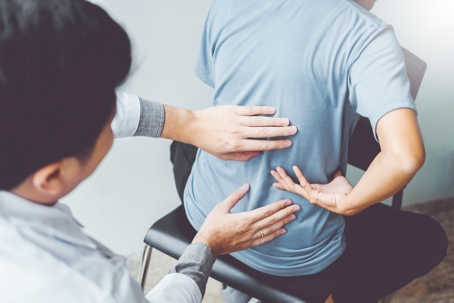
When your back hurts, it can affect everything — sitting at work, sleeping comfortably, even putting on your shoes.
Many people turn to painkillers, massages, or even injections for relief. But here’s the truth: while those options might dull the pain, they rarely address why the pain exists in the first place.
That’s where physical therapy stands apart. It doesn’t just treat the symptoms — it tackles the root cause.
In this blog, we’ll explore how physical therapy helps you recover from lower back pain, what to expect from your sessions, and why it’s one of the most effective long-term solutions available today.
Understanding the Goal of Physical Therapy
The mission of physical therapy is simple: Restore movement, relieve pain, and prevent future injury.
For lower back pain, that means:
- Reducing inflammation and muscle tension
- Improving posture and body mechanics
- Strengthening stabilizing muscles
- Restoring normal range of motion
- Teaching you how to move safely in daily life
In other words, your physical therapist doesn’t just want you to feel better — they want to make sure you stay better.
What Happens During Your First Physical Therapy Session
If you’ve never been to PT before, here’s what to expect during that initial evaluation.
1. Comprehensive Assessment
Your therapist will start by asking questions about your pain — when it started, what movements make it worse, what activities you struggle with, and your goals for recovery.
Then they’ll conduct a hands-on assessment:
- Posture and gait analysis
- Flexibility and strength testing
- Core activation checks
- Functional movement screening
This helps identify not just where you hurt, but why.
2. Goal Setting
You and your PT will establish realistic, measurable goals — whether it’s returning to sports, lifting pain-free, or sitting through a workday without stiffness.
3. Personalized Treatment Plan
Finally, your therapist designs a plan tailored to your condition, lifestyle, and activity level. No cookie-cutter routines — every exercise and manual technique serves a purpose.
Core Treatment Methods Used in PT for Lower Back Pain
Physical therapy uses a combination of manual techniques, exercise, and education to restore function and reduce pain.
Here are the main tools in a PT’s toolkit:
1. Manual Therapy
This includes hands-on techniques like:
- Soft tissue mobilization — loosening tight muscles and fascia
- Joint mobilizations — improving spinal mobility
- Myofascial release — reducing muscle adhesions and stiffness
Manual therapy helps increase circulation, relax muscles, and restore natural movement.
2. Therapeutic Exercise
These are the bread and butter of back pain rehab.
Common exercises include:
- Bird-Dog: Builds spinal stability
- Glute Bridge: Activates hips and core
- Plank Variations: Strengthen the entire trunk
- Cat-Cow & Child’s Pose: Improve spinal flexibility
Your PT will start with gentle, guided movements and progress as your strength and control improve.
3. Neuromuscular Re-education
This is the process of retraining your body to move correctly.
Over time, poor movement habits (like bending from your back instead of your hips) become automatic. PT helps you “rewire” those patterns using:
- Core activation cues
- Balance and stability exercises
- Posture drills
The result? More efficient, pain-free movement in everyday life.
4. Modalities (As Needed)
While exercise and movement are the mainstays of PT, therapists may also use:
- Heat or ice for comfort and inflammation
- Electrical stimulation (e-stim) to calm pain signals
- Ultrasound to improve soft tissue healing
These are supportive tools — not crutches — to enhance your overall progress.
5. Education
This is perhaps the most underrated part of physical therapy.
Your PT will teach you how to:
- Sit, stand, and lift safely
- Manage flare-ups
- Modify activities to reduce strain
- Continue exercises at home
Empowering you with knowledge means you’re less likely to relapse later.
Why Physical Therapy Beats Passive Treatments
Here’s a key difference: physical therapy is active, not passive.
Instead of lying down while someone “fixes” you, PT puts you in charge of your healing.
Pain medications and injections might temporarily dull discomfort — but they don’t correct weak muscles, poor posture, or faulty movement patterns. PT does.
That’s why research consistently shows that patients who start physical therapy early:
- Recover faster
- Have fewer recurrences
- Are less likely to need surgery
- Spend less on long-term healthcare
Real-Life Example: From Pain to Performance
Meet Sarah — a 38-year-old marketing professional who came to PT with chronic lower back pain from years of desk work.
The problem: Weak core, tight hips, and a rounded posture.
The plan: Core activation, hip mobility work, ergonomic education, and gradual strengthening.
The outcome: Within six weeks, Sarah reported 80% less pain, improved posture, and confidence to stay active.
Her story is typical — not exceptional. That’s the power of targeted movement therapy.
The Science Behind the Results
Multiple studies confirm the benefits of physical therapy for lower back pain:
- A 2023 review in the Journal of Orthopaedic & Sports Physical Therapy found that early physical therapy reduces disability and healthcare costs.
- Research also shows that exercise-based rehab improves long-term outcomes more effectively than rest or medication alone.
The body thrives on movement — and physical therapy gives it the right kind.
Your Role in Recovery
Physical therapy is a team effort. Your therapist provides the roadmap — but you’re the driver. To get the best results:
- Be consistent with your home exercises
- Communicate openly about your symptoms
- Stay active (within your limits)
- Focus on posture and movement awareness throughout your day
The more you participate, the faster you’ll heal — and the less likely pain will return.
When Surgery or Other Interventions Are Needed
While most cases of lower back pain respond well to physical therapy, some situations require additional medical input — such as:
- Severe nerve compression causing numbness or weakness
- Loss of bladder or bowel control (a medical emergency)
- Pain not improving after 6–8 weeks of conservative treatment
Even in those cases, pre- and post-surgical physical therapy improves outcomes by strengthening and retraining muscles before and after surgery.
If you’ve been living with back pain and aren’t sure where to start, physical therapy might be your best move — literally.
PT combines manual therapy, exercise, and education for long-term results. Starting therapy early leads to faster recovery and fewer relapses. Our goal isn’t just to relieve pain — it’s to build resilience and prevent it from coming back.
Our licensed therapists at Lifestyle Physical Therapy will assess your movement, identify what’s causing your pain, and build a plan designed just for you.
Book your back pain evaluation today and take the first step toward a stronger, pain-free you.