
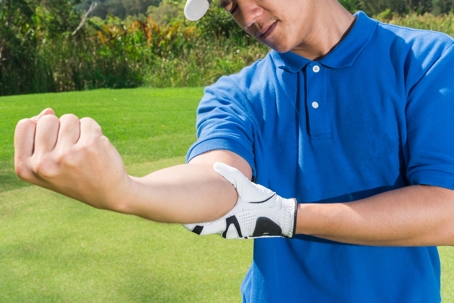
Despite its name, tennis elbow affects far more people who have never picked up a racket than those who have.
Tennis elbow is a condition involving irritation and micro-tearing of the tendons that attach to the outside of the elbow. Specifically, it affects the wrist extensor tendons, which help you:
- Lift your wrist
- Grip objects
- Stabilize your hand during activity
Contrary to what many people think, this is not purely an inflammatory condition. In many cases, it’s more accurate to describe it as tendon degeneration, or reduced tissue quality with poor healing response. This distinction is important because it explains why rest alone doesn’t fix it, why anti-inflammatory approaches are insufficient, and why targeted loading (exercise) is essential.
Also known as lateral epicondylitis, this condition is one of the most frequent causes of elbow pain seen in physical therapy clinics. It can impact:
- Office workers
- Tradespeople
- Fitness enthusiasts
- Parents lifting children
- Anyone performing repetitive arm motions
What makes tennis elbow particularly frustrating is that it often develops gradually, lingers for months, and can interfere with even simple daily tasks.
The good news?
Physical therapy is one of the most effective, evidence-based treatments available.
Common Causes of Tennis Elbow
Tennis elbow typically develops from repetitive stress and overuse, especially when the tendon isn’t given enough time to recover.
1. Repetitive Wrist Extension
- Typing with poor ergonomics
- Using a mouse for long periods
- Painting or carpentry
2. Overgripping
- Holding tools tightly
- Lifting weights incorrectly
- Carrying heavy bags
3. Sudden Increase in Activity
- Starting a new workout routine
- Returning to sports after a break
4. Poor Technique (Sports & Exercise)
- Improper tennis backhand
- Incorrect lifting form
5. Weakness Up the Chain
- Shoulder instability
- Poor scapular control
- Weak forearm muscles
One of the key insights in physical therapy is this: The elbow is often the victim, not the root problem.
Symptoms of Tennis Elbow
Tennis elbow symptoms can range from mild discomfort to severe, persistent pain.
Primary Symptoms
- Pain on the outside of the elbow
- Tenderness when pressing the lateral elbow
- Pain when gripping or lifting objects
Functional Limitations
- Difficulty opening jars
- Pain when shaking hands
- Weak grip strength
- Discomfort when lifting even light items (like a coffee mug)
Pain Patterns
- Gradual onset (most common)
- Worse with activity
- May improve temporarily with rest—but returns quickly
Why Tennis Elbow Becomes Chronic
Many people unintentionally turn a short-term issue into a long-term condition.
Some common mistake are:
- Ignoring early symptoms and continuing activity despite pain
- Over-resting which can lead to further weakness and poor tendon capacity
- Relying only on passive treatments (such as braces, medication, or injections) without rehabilitation
- Not addressing root causes, such as shoulder weakness, poor ergonomics or repetitive strain patterns
Without proper intervention, symptoms can persist for 6–12 months or longer.
How Physical Therapy Treats Tennis Elbow
Physical therapy stands out because it addresses both symptoms and underlying causes.
1. Pain Management (Early Phase)
Initial treatment focuses on calming the irritated tissue. This can include activity modification (not complete rest), ice or heat protocols, manual therapy (soft tissue work), and education on load management.
2. Eccentric Strengthening (The Gold Standard)
One of the most effective treatments for tendon issues is eccentric exercise. This involves lengthening the muscle under load, and slowly lowering the wrist against resistance.
This can stimulate tendon healing, improve tissue strength, and rebuild load tolerance.
3. Progressive Loading
As pain decreases, therapy progresses to concentric strengthening, isometric holds, and functional movements.
This gradual increase in load is critical for long-term recovery.
4. Manual Therapy Techniques
Hands-on techniques may include soft tissue mobilization, joint mobilization, or trigger point release.
These help improve circulation, reduce stiffness and enhance mobility.
5. Addressing the Kinetic Chain
Remember: the elbow is rarely the only issue. Physical therapists often incorporate shoulder strengthening, scapular stabilization, and postural correction. This reduces strain on the elbow during activity.
6. Ergonomic and Lifestyle Modifications
For many patients, small changes make a huge difference. You can adjust desk height, change your mouse/keyboard position, modify lifting techniques and use proper sports equipment.
At-Home Exercises
While programs should be individualized, here are commonly prescribed exercises:
1. Wrist Extensor Stretch
- Arm straight, palm down
- Gently pull hand downward
2. Eccentric Wrist Extension
- Use a light weight
- Assist up, slowly lower down
3. Grip Strengthening
- Squeeze a soft ball
- Progress gradually
4. Forearm Rotation (Supination/Pronation)
- Use a hammer or light weight
- Rotate slowly and controlled
Consistency matters more than intensity.
Recovery
Recovery varies depending on severity and consistency with therapy. For mild cases, this can take 4–6 weeks. For moderate cases, it may be around 6–12 weeks. In chronic cases, you may be looking at 3–6+ months
Key factors that speed recovery are early intervention, consistent exercise and proper load management.
Most cases improve with physical therapy, but occasionally, additional interventions with advanced treatment may be needed. This can include:
- Corticosteroid injections (short-term relief)
- Platelet-rich plasma (PRP)
- Surgery (rare, last resort)
Even in these cases, physical therapy remains essential for full recovery.
Preventing Tennis Elbow from Returning
Prevention is where physical therapy truly shines. Key strategies include:
- Gradual progression in activity
- Regular strengthening exercises
- Proper technique in sports and lifting
- Ergonomic awareness
- Taking breaks during repetitive tasks
Why Physical Therapy Is the Best First-Line Treatment
Tennis elbow can be stubborn—but it’s highly treatable with the right approach. Physical therapy works because it treats the root cause, rebuilds tendon strength, restores full function and reduces the risk of recurrence. Rather than masking symptoms, it provides a long-term solution.
Contact us at Lifestyle Physical Therapy today to get started!